How to Feed Your Pet Like a Zoo Professional
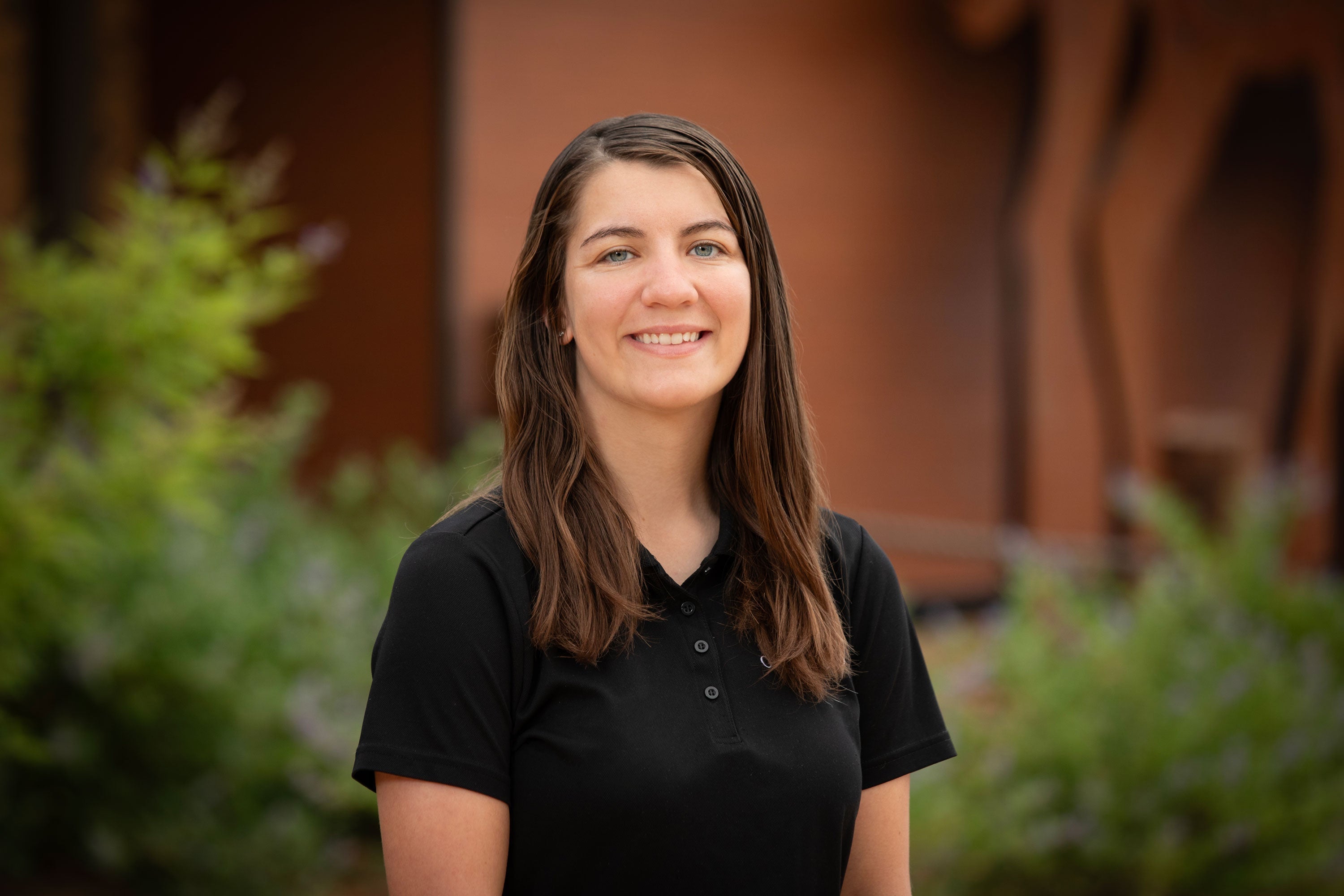
Nutrition wisdom from Dr. Taylor Novak, Ph.D. animal nutritionist at the Oklahoma City Zoo
As an animal lover, you want to provide your pet with the highest quality care possible. And according to animal experts at one of the country's leading zoological institutions, top-tier caretaking starts with well-researched feeding decisions.
Dr. Taylor Novak, Ph.D. animal nutritionist at the Oklahoma City Zoo, shared how she approaches zoo animal nutrition. Keep reading to see how these insights can help inform how you feed your pets at home.
Learning From an Animal Expert
Dr. Taylor grew up just close enough to Omaha's Henry Doorly Zoo and Aquarium that it became a fixture of her childhood and inspired a lifelong passion for exotic animals.
Today, she oversees nutrition for hundreds of species at the Oklahoma City Zoo, working with animals ranging from giant Galapagos tortoises to a sweet chimpanzee named Kirsty.

"I like to jump from thing to thing, going from one animal to the next. I address one diet for a ruminant animal, and then 10 seconds later, I'm looking at a very specialized bamboo eater like a red panda."
Developing a Diet Plan
At the zoo, nutrition plans are carefully constructed to account for specific species needs and optimize long-term health.
When Dr. Taylor develops an animal’s diet plan, she considers:
-
Age
-
Underlying health conditions
-
Reproductive status
-
Allergies
“Yes, animals can have allergies! We have a big cat who's allergic to chickens. While everybody else has a chicken day, she gets to stick with rabbits."
But beyond the formula, she wants to make sure every animal gets the opportunity to eat the way they’re biologically designed to. Many of the nutrition plans Dr. Taylor makes are intended to encourage an animal’s natural behaviors.
For example, the flamingos’ pellets are served in water. This way, they can filter-feed, the way they would in the wild, rather than eating dry pellets from a bowl. Encouraging enrichment in this way helps keep things interesting for each animal.
Pet Enrichment Ideas
-
Increase interest and engagement by rotating toys.
-
Encourage problem-solving with feeding puzzles.
-
Introduce safe new sensory experiences like bubble machines or nature sounds.
-
Create foraging opportunities that mimic natural hunting or gathering behaviors.
Observing Exotic Animals
In her work at the zoo, Dr. Taylor leans heavily on the animal care staff who see and interact with each animal on a daily basis.
"I really rely on caretakers to say, 'Hey, we're not providing this natural feeding opportunity,’ or 'Hey, my animal doesn't like sweet potatoes. Can we try carrots instead?’"
In the case of a pet, you are the caretaker. Trust yourself to know what "normal" looks like for your animal. And when appetite changes, energy dips or something feels off, apply those learnings to any diet changes.
Dr. Taylor suggests getting to know what healthy looks and feels like for your specific animal to let that inform nutrition decisions.

Adjusting Animal Nutrition
Some diets at the zoo stay the same year to year. Dr. Taylor has reviewed the Galapagos tortoise diets annually for three years and no changes have been needed.
But other animals need more frequent check-ins — especially those who are younger, more active or have a metabolism that’s a moving target.
"We have some animals whose diet changes often, whether that’s because they're growing or their metabolism shifts.”
When Dr. Taylor’s team is looking for signs that it’s time to adjust an animal’s diet, they watch for changes in:
-
Body condition
-
Appetite
-
Energy
-
Stool consistency
And for zoo animals and pets alike, small, deliberate adjustments often help more than overhauling an entire feeding routine.
Working With Mazuri
The Oklahoma City Zoo feeds Mazuri diets to several species, including carnivores and herbivores. And even though it was the diet formulas that led Dr. Taylor to Mazuri, she also appreciates the extra support from her team.
"If I'm ever in need, the Mazuri team is just a phone call, text or e-mail away to help me think through things."
When you're caring for animals with specialized needs, you want nutrition advice you can trust. Discover the Mazuri diets trusted by zoo nutritionists like Dr. Taylor and formulated for the animals you love.
With an expertly designed diet and some zoo nutritionist wisdom, you’re ready to provide your pet with professional-grade care.
Dr. Taylor’s Top Tip for Pet Owners
"Do your research. Make sure you can provide [your pet with] a diet and home that meets all their needs. Being your pet expert and your pet's advocate is really important."
If you’re interested in seeing these nutrition practices in action and learning how to apply the same thoughtful approach at home, take a closer look at how the Oklahoma City Zoo nourishes their animals.
Follow Mazuri on Facebook, Instagram and TikTok for more expert tips and animal content.
You Might Also Like