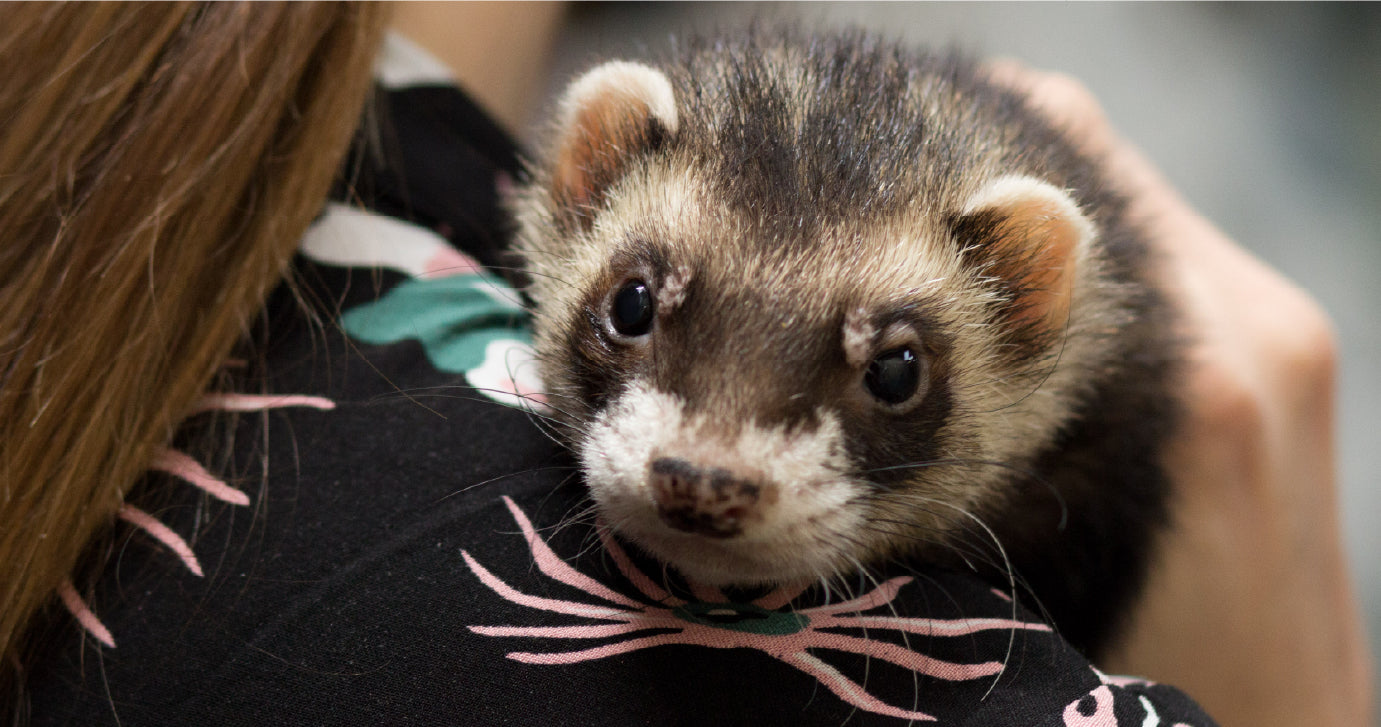
How to Transition Your Ferret to a New Diet
With the proper transition plan, switching your ferret to a new diet can be simple. To help ferret owners better understand how to ensure their pets adjust smoothly and reap the rewards of higher-quality nutrition, animal nutritionist Dr. Troy Tollefson shares his expert tips for a successful ferret diet swap.
Looking to make a change? Let this be the guide to help set you (and your ferret) up for success.
Is it Time to Switch Your Ferret’s Diet?
Ferrets are obligate carnivores, which means quality animal protein and healthy fats are essential for optimal health. Unnecessary ingredients? Not so much.
Sometimes ferret feeds contain ingredients with no real benefits. Other times, ferret owners resort to feeding an animal diet that is not specifically designed or intended for the species, which can cause blockages, discomfort or illness.
Whether you’re moving away from raw feeding or exploring a new, species-specific option, the right diet change can make a noticeable difference in your ferret’s appearance, activity level and overall health.
How Long Does a Ferret Diet Transition Take?
For carnivores like ferrets, Troy recommends a gradual diet transition. Experts advise that this transition takes no less than seven days, but it can take up to three weeks for some ferrets. The seven-day minimum helps them develop a taste for it while preventing gastric upset. “Stay the course, slow and steady. Not too fast, or you may run into problems. Give them time to adapt,” Troy says.
Some ferrets take longer, especially if they were previously eating a raw diet or are hesitant to try food in a dry form. To help improve palatability for your ferret, softening a dry food in water can help entice even the pickiest eater.
If an animal has not been on a diet that contains fish ingredients, then they may take longer to transition. Don’t be discouraged if your ferret needs extra time! An extended two- to three-week transition to a high-quality diet is normal and worth the effort for its long-term benefits.
The Ideal Transition Timeline
A gradual shift is a great way to help your ferret adjust to a new diet without digestive upset. This is Troy’s recommended minimum transition schedule:
Day 1-2: 75% old diet + 25% new diet
Day 3-4: 50% old diet + 50% new diet
Day 5-6: 25% old diet + 75% new diet
Day 7: 100% new diet

Staying consistent with ratios matters. Skipping around can confuse your ferret and their stomach. This slow ramp-up helps your pet adjust and allows their ferret belly to get familiar with the new proteins, fats, aroma, etc.
Signs of a Successful Diet Transition
-
Normal, well-formed stools.
-
Steady or improved appetite.
-
Bright eyes and healthy activity levels.
-
No signs of lethargy or discomfort.
Signs You May Be Moving Too Fast
-
Loose stool that continues beyond 24-48 hours.
-
Refusal to eat during one or more scheduled meals.
-
Noticeable drop in energy.
-
Excessive scratching or discomfort.
If you see any of these, revert to the previous ratio for a couple of days, then continue gradually. As Troy says, “Slow is safe!”
Choosing the Right Ferret Diet
Ready to make the switch? The diet you choose for your ferret is just as important as a gentle transition.
With 90% protein from diverse, animal-based sources, omega-3 fatty acids, probiotics and antioxidants, the Mazuri® Ferret Diet is designed to support their health from the inside out. Plus, all ingredients are chosen for optimal digestibility and long-term health — from highly digestible chicken- and porcine-meal protein to reliable energy sources like rice, poultry fat and fish oil.
A thoughtful transition helps your ferret settle into their new food comfortably and confidently. But even when your pet is at the pinnacle of health, maintain regular checkups with a trusted veterinarian.
You May Also Like